
Catch the latest in quantum research at WashU with an all-day symposium. With an emphasis on the research of newly hired faculty, the goal of the symposium is to catalyze new collaborations around the activities of these scholars and the Center for Quantum Leaps. We anticipate the symposium to spark new research projects and collaborations involving members of the Center.
Agenda
8:50 a.m.: Welcome Remarks and overview of the day by Kater Murch
First Session, Astro Quantum Leaps
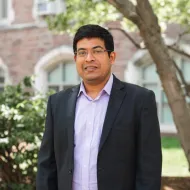
9:05 a.m.: Bhupal Dev, Associate Professor of Physics, WashU
Probing Fundamental Physics at CQL
Quantum technologies offer unprecedented opportunities for probing key fundamental physics questions, such as the search for dark matter, the nature of gravity, and measurements of the quantum properties of elementary particles. We will discuss some ongoing efforts on these topics and future prospects in connection with the CQL.
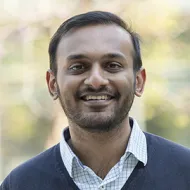
9:20 a.m.: Karthik Ramanathan, Assistant Professor of Physics, WashU
Quantum sensors for phonon & photon-mediated detection
We explore the use of superconducting qubits and kinetic inductance detectors (KIDs) as ultra-sensitive sensors, highlighting their potential for high-resolution energy measurements in next-generation particle and dark matter detectors.
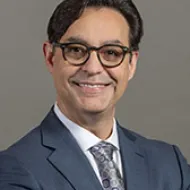
9:35 a.m.: Enectali Figueroa-Feliciano, Professor, Department of Physics and Astronomy, Northwestern University
Quantum Sensors for Dark Matter and Neutrino Detection
There are interesting overlaps in the fields of particle physics and quantum computing, and areas where one could benefit the other. I will motivate the use of QIS technologies in the fields of dark matter and neutrino sensing, going over the promise and challenges of these technologies, with brief comparisons to the state of the art.
9:50 a.m.: Group Discussion
10:10 a.m.: Break
Second Session, Biology Quantum Leaps

10:45 a.m.: Jon Brestoff, Associate Professor, Pathology and Immunology, WashU School of Medicine
Thermal defense by the immune system
Changes in environmental temperature have exerted powerful evolutionary pressure on all land-dwelling organisms. In mammals, low environmental temperatures elicit an increase in heat production to maintain a normal core body temperature and prevent hypothermia. This response, known as adaptive thermogenesis, is mediated in large part by brown fat cells that express Uncoupling protein 1 (UCP1), an enzyme that dissipates the proton gradient in mitochondria to generate large amounts of heat. Although UCP1 is required for survival in the cold, recent studies indicate that UCP1 is also expressed by an immune cell type called macrophages when they are exposed to Interleukin (IL)-4, a cytokine that is classically associated with the immune response to parasitic worms. However, the functional role of UCP1 in macrophages is not known. By generating a new mutant mouse strain in which UCP1 is deleted in macrophages but left intact in brown fat cells, we found that UCP1 is required for the metabolic changes that macrophages undergo in response to IL-4. Quantum microscopy with nanodiamonds revealed that IL-4 increases the intracellular temperature of macrophages and that this response is completely dependent on the expression of UCP1. Mice that lack UCP1 specifically in macrophages are unable to properly clear helminth infections. Our data suggest that macrophages may express UCP1 to generate a thermal defense against parasitic worms.

11:00 a.m.: Shankar Mukherji, Assistant Professor of Physics, WashU
Multiplexed quantum sensing reveals potential feedback control system regulating mitochondrial function in single cells
Mapping out the physical landscape of the eukaryotic cell and relating it to its biochemical regulators is a frontier challenge in quantitative cell biology. Recent developments in subcellular thermometry have made it possible to measure temperatures within single cells. However, simultaneous measurements of changes in both temperature and molecules potentially involved in heat generation within individual cells, especially in primary cells, have been lacking. Here we leverage the ability to multiplex nitrogen vacancy-containing nanodiamond quantum sensors to uncover correlated changes in temperature and levels of critical ions in single primary cells obtained from defined tissues in the adult mouse. We believe that our results point to the widespread utility of using multiplexed quantum sensing to establish how the biophysical parameters characterizing the cell emerge and are regulated by biochemical processes.
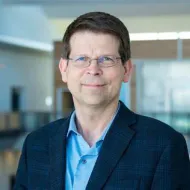
11:15 a.m.: Kirk Czymmek, Director, Advanced Bioimaging Laboratory, Donald Danforth Plant Science Center
Tools for Advanced and Multiscale Imaging Workflows in Plant Research
One goal in my lab is to apply and optimize multiscale, multiplex and 2D/3D correlative imaging modalities and reveal new insights on the structure-function relationship and sub-cellular distribution of targeted molecules for important questions in plant biology. However, unique challenges are faced when imaging plant specimens due to their cell wall and air spaces, which serve as potent barriers to fixation and downstream sample preparation. Additionally, these same features induce optical aberrations for photon imaging and result in poorly conductive samples for volume electron microscopy, severely limiting accessibility for high-resolution interrogation in intact plants. To address these limitations, the application and optimization of multiscale microscopy for plants can serve as an invaluable approach to more easily interrogate target structures and maintain their context within bulk tissues. I will describe an overview of our ongoing efforts to meet these disparate challenges using multiplex microscopy, expansion microscopy, correlative microscopy, volume electron microscopy and cryo-electron microscopy for plant research.
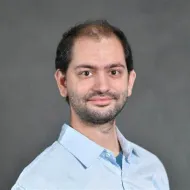
11:30 a.m.: Ed Marti, Incoming Assistant Professor of Cell Biology and Physiology, WashU
Optical and Ultrasound Imaging for Long-Term Tracking
Imaging disease progression deep inside living animals requires new tools that span nanometer to centimeter scales. I will present a high‑speed super‑resolution microscope that localizes single nanoparticles with sub‑nanometer precision in a few microseconds, enabling direct tracking of vesicles in live neurons and revealing transient transport states that conventional methods miss. I will then introduce two ultrasound modalities, multi‑molecular imaging and nonlinear difference‑frequency imaging, that create new contrast mechanisms and increase sensitivity and specificity to pathology invisible to standard ultrasound. We are using nonlinear difference‑frequency ultrasound to detect early signs of liver disease in excised livers from a mouse model. In the future, we will expand these platforms to develop centimeter‑deep readouts of subtle anatomical, vascular, and molecular changes in rodents.
11:50 a.m.: Group Discussion
12:10 p.m.: Lunch
1:15 p.m.: Remarks from Feng Sheng Hu, Richard G. Engelsmann Dean of Arts & Sciences
Third Session, Quantum Technologies

1:25 p.m.: Chong Zu, Assistant Professor of Physics, WashU
Quantum Diamond Sparkles
The diamond is not just a perfect gemstone. The tiny imperfections inside a diamond can be turned into ultrasensitive nanoscale quantum sensors, which can offer brand-new lenses to see through intricate phenomena spanning from atomic and molecular objects that govern life processes to earth and planetary events on a grand scale. Here, we will start with an overview of the quantum diamond technologies and the basic principles of quantum sensing. In the second half of the talk, we will showcase our recent advances in using these nanoscale sensors for a wide range of applications—from characterizing high-Tc superconductivity to imaging magnetism in moon rocks from the Apollo mission and measuring in vivo temperature and iron level in living cells.
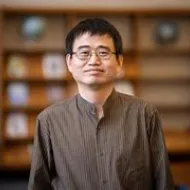
1:40 p.m.: Chuanwei Zhang, Professor of Physics, WashU
Quantum antennas for distributed quantum computing and sensing with neutral atoms
Single neutral atoms in optical tweezer arrays and cold atomic ensembles offer complementary advantages: high-fidelity quantum computing at local nodes and high-efficiency quantum networking between remote nodes, respectively. In this talk, I will first introduce the theoretical quantum information research efforts in my group at CQL as well as neutral atom quantum computer in general. I will focus on our recent work leveraging these advantages of neutral atoms to build a distributed quantum computing and sensing network. In this architecture, cold atomic ensembles act as quantum antennas that interface single-atom qubits with flying photons, similar to the role of antennas in classical communication systems. These cold atomic ensemble antennas can transmit and receive photons, enabling high-efficiency remote entanglement generation between single-atom communication qubits—paving the way for large-scale distributed quantum computing and sensing.
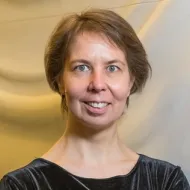
1:55 p.m.: Irina Novikova, Professor of Physics, The College of William & Mary
Hot atom-based quantum sensors
Atoms are the most natural quantum sensors. They have been at the heart of precision measurement experiments thanks to our exquisite understanding of light-atom interactions and quantum control. In this talk I will discuss the current status of hot atom-based sensors and potential quantum enhancement of their performance and the associated challenges. I will also briefly review atom-based sources of non-classical light and their pros and cons for quantum sensing applications.
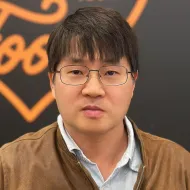
2:15 p.m.: Shengwang Du, Professor of Electrical and Computer Engineering, Purdue University
S-QGPU: Shared Quantum Gate Processing Unit for Distributed Quantum Computing
Due to many physical constraints, it is extremely challenging to build a monolithic fully connected quantum computer with a very large number (N) of qubits, in which a direct control gate operation can be performed between two arbitrary qubits. Extending from N to N+1 in such a quantum computer is more than just physically adding one more qubit. For this reason, the cost of such a fully connected quantum computer increases exponentially as the number of qubits increases. Consequently, there is a growing interest in exploring distributed quantum computing (DQC) systems that can interconnect many small-sized, cost-effective local quantum computers. In most conventional DQC architectures, each local quantum computer is equipped with additional communication qubits dedicated to establishing remote entanglement links. The presence of these communication qubits not only substantially increases the cost of individual local quantum computer nodes, but also renders the entanglement-communication-based scheme inherently non-deterministic.
In this talk, we present a new DQC architecture in which individual small-sized quantum computers are connected through a shared quantum gate processing unit (S-QGPU) [1]. The S-QGPU comprises a collection of hybrid two-qubit gate modules [2] for remote gate operations. In contrast to conventional entangled-communication-based DQC systems, S-QGPU effectively pools the resources together for remote gate operations, and thus significantly reduces the cost of not only the local quantum computers but also the overall distributed system. Moreover, S-QGPU's shared resources for remote gate operations enable efficient resource utilization. When not all computing qubits in the system require simultaneous remote gate operations, S-QGPU-based DQC architecture demands fewer resources, further decreasing the overall cost. Unlike conventional DQC architectures based on entanglement communication, wherein remote gate operations are accomplished via teleportation or cat-entanglers [3, 4], the proposed S-QGPU approach for remote gate operations is deterministic and does not depend on any measurement-based post selection.
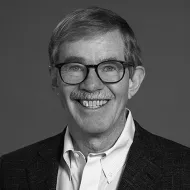
2:35 p.m.: Dana Z. Anderson, Professor of Physics, University of Colorado Boulder, Founder & Chief Strategy Officer of Infleqtion, Inc.
Maxwell and Schrödinger Matter Waves
Maxwell’s equations teach us that alternating electric currents give rise to electromagnetic waves, and that generally the behavior of AC currents can be quite different than the behavior of direct (DC) currents. The formal treatment of alternating currents of neutral atoms surprisingly leads to a set of matter-wave duals to Maxwell’s equations. These duals, though, have properties that are importantly different from the electromagnetic versions in unintuitive ways. Moreover, unexpected behavior arises in the mechanics of AC matter waves, such as substantial tunneling through barriers that occurs even at low particle energy. I will provide a deeper look at the nature of and relationship between DC matter waves, which are the familiar solutions to Schrödinger’s equation, and their AC cousins that are described by Maxwell-like wave equations. I will also briefly discuss the utility that AC matter waves can bring to practical systems, such as atom-based sensors.
2:55 p.m.: Group Discussion
3:15 p.m.: Break
Fourth Session, Condensed Matter
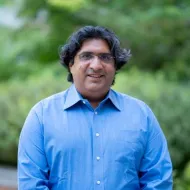
3:50 p.m.: Shaffique Adam, Dean’s Distinguished Professorial Scholar, Physics, WashU
The interplay between lattice relaxation and correlations in moiré materials
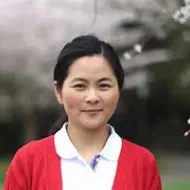
4:05 p.m.: Xi Wang, Assistant Professor of Physics, WashU
Quadrupolar Moiré Trions in Tunable Multi-Orbital 2D Superlattices
Moiré superlattices in two-dimensional (2D) materials represent a highly promising platform for uncovering and controlling novel quantum phenomena. The robust excitonic responses observed in 2D semiconductors provide a powerful means to optically probe and manipulate these interactions. In this presentation, I will highlight our recent advances in 2D heterostructures with atomic precision to systematically control interlayer coupling and moiré potentials. This deliberate control gives rise to exotic quasiparticles, including the emergence of interlayer valley excitons in bichromatic transition metal dichalcogenide moiré trilayers. In these systems, periodic superlattices sculpt multiple, highly tunable orbital configurations. Notably, the interplay between the engineered potential landscape and the layer degree of freedom enables the formation of interlayer quadrupolar moiré trions. Our findings lay a solid foundation for realizing electrically tunable, multi-orbital moiré platforms, opening powerful new avenues for the discovery and design of emergent quantum phases in 2D materials.
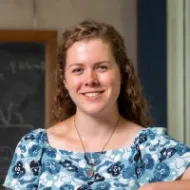
4:20 p.m.: Kelly Powderly, Assistant Professor of Chemistry, WashU
Alternative Synthetic Pathways to Quantum Materials
Conventional syntheses of solid-state materials require high temperatures (>800 °C) and long heating times (days to weeks) to allow atoms to diffuse and form the most thermodynamically stable phase(s) at that temperature. Many interesting materials have been discovered under these conditions; however, certain combinations of atomic structures and elemental compositions, which may give rise to desirable electronic and magnetic properties, are not accessible with conventional solid-state synthesis. We employ alternative synthetic methods, including low-temperature thermolysis of single-source precursors and assembly of pre-synthesized building blocks for “designer” structures, to access metastable materials that exhibit quantum spin liquid behavior, superconductivity, and non-trivial topology.

4:35 p.m.: Sheng Ran, Assistant Professor of Physics, WashU
Discovery and Characterization of Strongly Correlated Topological Materials
Quantum materials with both strong correlations and nontrivial band structure topology can have novel physics properties that do not exist in the non-correlated counterparts. Recent theoretical work has demonstrated that a combination of Kondo physics and nonsymmorphic crystal symmetries can give rise to such strongly correlated topological systems. In this talk, I will present our recent experimental exploration in this direction. In one case, we found an intrinsic anomalous Hall effect that seems to break the Fermi liquid scaling relation. In another case, we have discovered a candidate for a topological Kondo insulator.
4:50 p.m.: Group Discussion
5:10 p.m.: Closing Remarks by Chong Zu
5:15 p.m.: Meeting Adjourns